


A Complete Guide to Islamic Cairo and Its Timeless Mosques
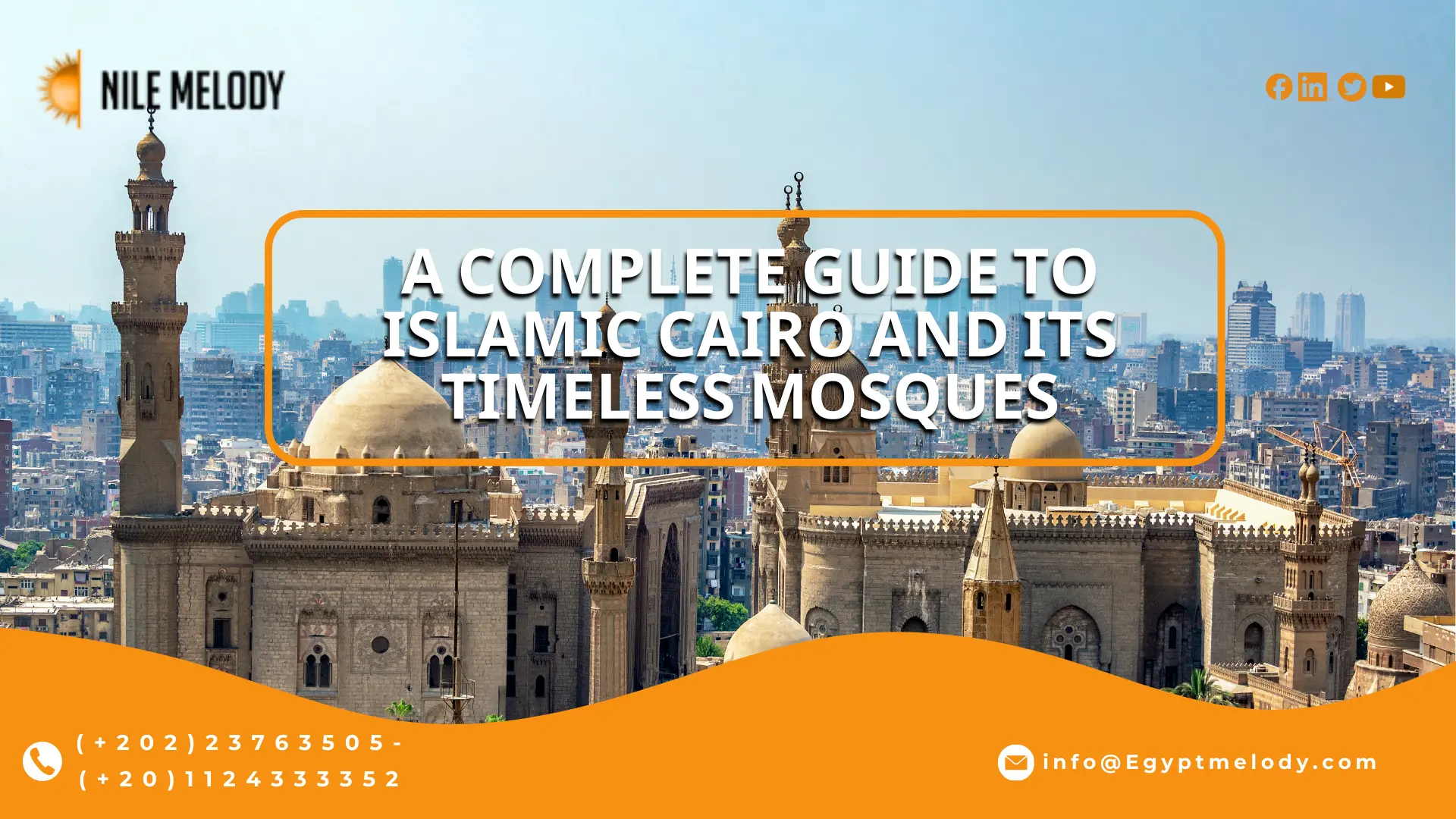
Islamic Cairo is a historic district in Cairo, Egypt, renowned for its rich Islamic heritage and architectural wonders. This guide will take you through the district’s most iconic mosques, each showcasing the beauty and intricacy of Islamic architecture in Egypt. From the ancient Al-Azhar Mosque to the stunning Mosque of Muhammad Ali, the area offers a deep dive into the history, culture, and religious significance of one of the world’s most captivating regions. Whether you’re a history enthusiast or an architecture lover, this guide will help you discover the timeless mosques that define the district.
Discover the Heart of Cairo’s Rich Islamic Heritage
Cairo, the bustling capital of Egypt, is home to an incredible fusion of history, culture, and religion. At the heart of this magnificent city lies Islamic Cairo, a district renowned for its timeless mosques, ancient buildings, and captivating Islamic monuments in Egypt. For anyone with a passion for history and architecture, this district is a must-visit destination that offers a deep dive into Egypt’s Islamic heritage.
When you explore, you’ll be immersed in the wonders of Islamic architecture in Egypt, featuring a blend of Ottoman, Mamluk, and Fatimid styles that have stood the test of time. With its narrow, winding streets, grand mosques, and intricate details, it is not only a historical treasure but also a living testament to Egypt’s rich cultural and religious diversity.
1. Al-Azhar Mosque – The Heart of Islamic Learning in Cairo
The Al-Azhar Mosque, located in the heart of Islamic Cairo, is one of the most famous mosques in Cairo and is considered one of the oldest and most prestigious institutions of Islamic learning in the world. Founded in 970 AD, Al-Azhar was originally built as a mosque and later developed into a university, attracting scholars from around the globe. Today, it stands as a symbol of Egypt’s historical importance in the Islamic world and remains a central institution for Islamic studies.
The Architecture of Al-Azhar Mosque
The mosque’s architecture is a striking example of Islamic architecture in Egypt. The Al-Azhar Mosque features a mix of Fatimid and Mamluk architectural styles, with grand domes, towering minarets, and beautifully decorated prayer halls. The intricate woodwork, marble floors, and the stunning mihrab (prayer niche) add to the mosque’s majestic presence.
As one of the most important historic mosques in Egypt, a visit to Al-Azhar Mosque is not only a spiritual journey but also a chance to marvel at the beauty of Islamic art and architecture. Egypt Melody’s expert guides can provide an in-depth understanding of the mosque’s historical significance and the role it continues to play in the world of Islamic scholarship.
2. Amr Ibn Al-As Mosque – The First Mosque in Egypt
The Amr Ibn Al-As Mosque, located in the Fustat district of Cairo, is not only one of the most famous mosques in Cairo but also the first mosque ever built in Egypt. It was constructed in 641 AD by the general Amr Ibn Al-As after his conquest of Egypt and remains one of the earliest examples of early Islamic architecture in Egypt.
Historical Significance and Architecture
The mosque’s architecture is simple yet elegant, with a large courtyard, an impressive prayer hall, and a square minaret that rises high above the surrounding structures. The mosque’s design is a combination of early Islamic influences with the architectural style of the time, featuring elements such as arches, domes, and decorative calligraphy.
Visiting the Amr Ibn Al-As Mosque is a chance to connect with the early history of Islam in Egypt. As one of the historic mosques in Egypt, this mosque holds immense religious and historical significance, Egypt Melody offers guided tours that provide detailed information about the mosque’s construction, its role in Islamic Egypt, and its lasting impact on the city.
3. Mosque of Muhammad Ali – The Majestic Ottoman Gem
The Mosque of Muhammad Ali, also known as the Alabaster Mosque, is one of the most iconic landmarks in Cairo. Situated atop the Citadel of Saladin, this mosque was built by the Ottoman ruler Muhammad Ali Pasha in the early 19th century. The mosque is known for its magnificent domes, towering minarets, and beautiful alabaster walls, which give it an ethereal and commanding presence in Cairo’s skyline.
The Architecture and Design of the Mosque
The Mosque of Muhammad Ali is a remarkable example of Ottoman architecture in Egypt, with influences from both Turkish and Islamic styles. Its large central dome and four towering minarets dominate the Citadel’s skyline, making it one of the most striking features of the city. The mosque’s interior is equally grand, with intricate decorations, including marble floors and beautiful stained-glass windows.
This mosque is not only a major tourist attraction in Egypt but also a key part of Cairo’s Islamic heritage. A visit to the mosque offers a chance to explore its rich history and admire the beauty of Islamic architecture in Egypt. Egypt Melody’s expert guides provide detailed insights into the significance of the mosque and its architectural wonders.
4. Sultan Hassan Mosque – A Masterpiece of Mamluk Architecture
The Sultan Hassan Mosque is one of Cairo’s most impressive and largest mosques, located near the Citadel of Saladin. Built in the 14th century during the Mamluk Sultanate, this mosque is considered one of the finest examples of Mamluk architecture and one of the best places to visit in Egypt for anyone interested in Islamic art and history.
Design and Historical Importance
The mosque’s design is characterized by its grand scale and architectural complexity, with massive courtyards, a towering minaret, and an elegant prayer hall. The mosque is an exceptional example of Islamic architecture in Egypt, with intricate geometric patterns and stunning decorative elements that highlight the Mamluk’s artistic achievements.
The Sultan Hassan Mosque also features an impressive madrasa (school) for each of the four main Islamic schools of thought, adding to its religious significance. As one of the best places to visit in Egypt, the mosque’s historical importance cannot be overstated, and Egypt Melody offers guided tours to help visitors understand its architectural wonders and cultural relevance.
5. Museum of Islamic Art – A Journey Through Islamic History
The Museum of Islamic Art in Cairo is a must-visit for anyone interested in Islamic art in Egypt. Located in the heart of Islamic Cairo, the museum is home to one of the world’s most important collections of Islamic artifacts. It showcases the rich artistic heritage of the Islamic world, with exhibits spanning over 1,400 years of history.
The Collections and Exhibits
The museum houses an impressive collection of Islamic manuscripts, ceramics, metalwork, textiles, and architectural fragments from across the Islamic world. Visitors can explore artifacts from various Islamic dynasties, including the Fatimids, Mamluks, and Ottomans. The museum’s collection highlights the beauty and diversity of Islamic art, showcasing intricate designs, calligraphy, and the evolution of artistic styles throughout the centuries.
A visit to the Museum of Islamic Art offers a deeper understanding of Egypt’s Islamic heritage and its role in the broader Islamic world. Egypt Melody offers personalized tours of the museum, providing expert guidance on the exhibits and ensuring that visitors get the most out of their experience.
6. The Citadel of Saladin – A Monument to Islamic Cairo’s Military History
The Citadel of Saladin, also known as the Cairo Citadel, is one of the most historically significant sites in Islamic Cairo. Built in the 12th century by the Ayyubid ruler Saladin, the Citadel was designed to protect the city from Crusader invasions. Over the centuries, the Citadel became the seat of Egyptian power, housing both the government and military officials during the Mamluk and Ottoman periods.
A Glimpse into Islamic Cairo’s Military Past
Today, the Citadel of Saladin is a major tourist attraction and offers some of the best panoramic views of Islamic Cairo. The site houses several important buildings, including the Mosque of Muhammad Ali (discussed earlier) and the National Military Museum. Visitors can explore the Citadel’s impressive walls, gates, and courtyards, which serve as a testament to Egypt’s military history during the Islamic period.
The Citadel also played a key role in shaping Islamic Cairo as it became the political and military hub for Egypt for several centuries. A visit to the Citadel of Saladin provides not only a look at one of the most iconic landmarks in Cairo but also a deeper understanding of the city’s strategic importance in Islamic history. Egypt Melody’s expert guides provide insightful commentary on the Citadel’s history, architecture, and significance.
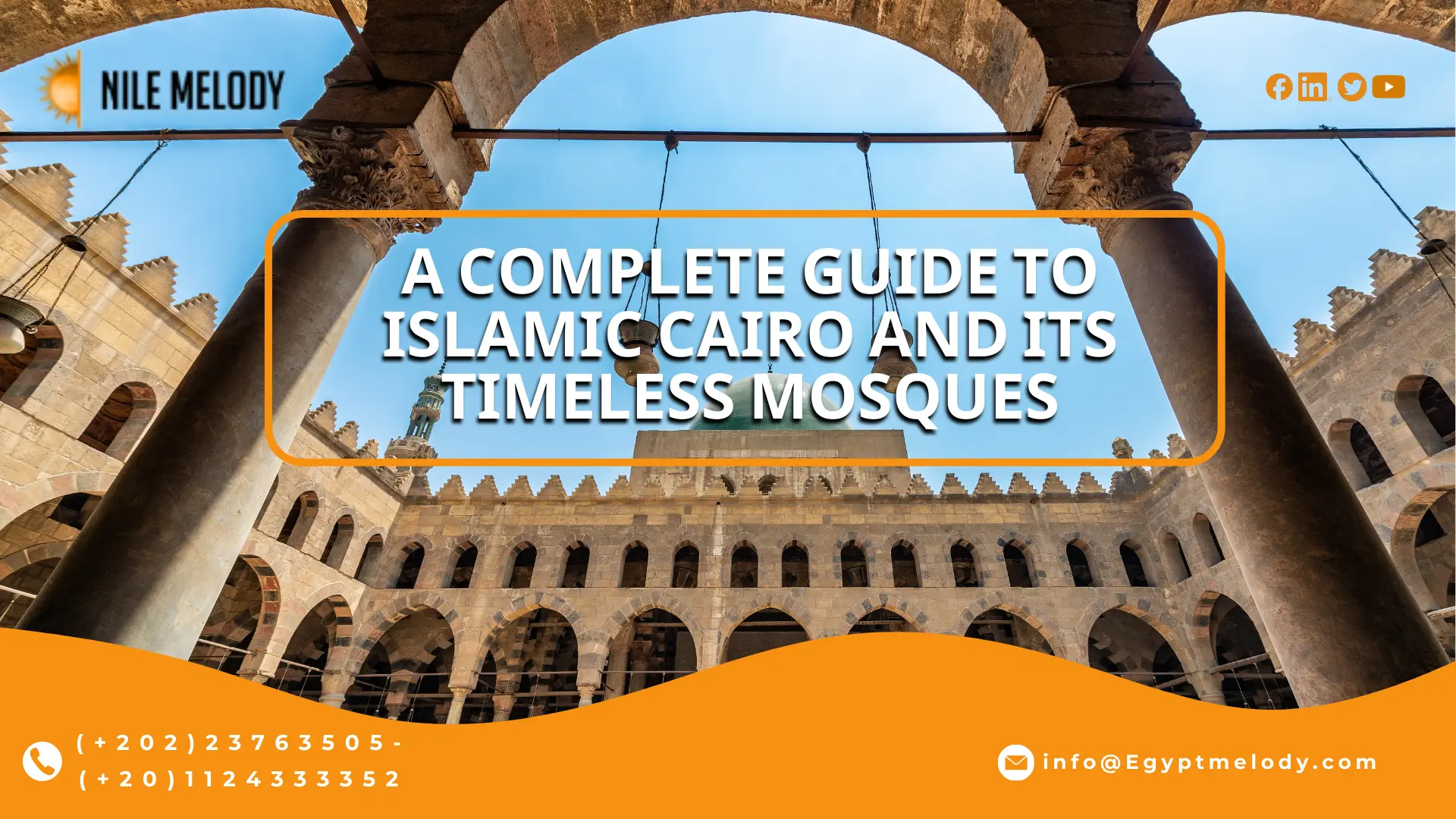
7. Al-Hakim Mosque – A Testament to Fatimid Islamic Cairo
The Al-Hakim Mosque is one of the most important mosques in Islamic Cairo. Built in the 10th century during the Fatimid Caliphate, this mosque is a significant example of early Islamic architecture in Egypt. Named after the Fatimid Caliph Al-Hakim bi-Amr Allah, the mosque features a distinctive blend of Fatimid and early Islamic architectural styles, making it one of the most unique structures in Cairo.
The Unique Features of Al-Hakim Mosque
The mosque’s design includes a vast prayer hall, large courtyards, and towering minarets. Unlike other mosques in Islamic Cairo, the Al-Hakim Mosque was not fully completed due to various political events in Egypt’s history, which gives it a slightly unfinished yet imposing character. It is particularly known for its massive wooden doors, which are considered masterpieces of Islamic craftsmanship.
As one of the lesser-known but incredibly significant mosques, Al-Hakim Mosque offers a chance to experience the early history of the area in a more tranquil and less crowded setting. Egypt Melody offers special tours to Al-Hakim Mosque, providing a detailed understanding of its history, architecture, and the role it played in shaping the region.
8. The Mosque of Ibn Tulun – A Masterpiece of Early Islamic Cairo
The Mosque of Ibn Tulun is one of the oldest and best-preserved mosques in Islamic Cairo. Built in the 9th century by the Abbasid governor Ibn Tulun, this mosque stands as a testament to the early stages of Islamic architecture in Egypt. The mosque’s design is a fusion of Central Asian, Persian, and Egyptian architectural elements, which sets it apart from later mosques built in Cairo.
Architectural Highlights of the Mosque of Ibn Tulun
The mosque features a large, open courtyard surrounded by arcades, a grand prayer hall, and a unique minaret that is one of the oldest in Egypt. The mosque is particularly known for its simplicity and grandeur, making it one of the most important landmarks in Islamic Cairo. Its austere design reflects the early Islamic preference for functional, utilitarian architecture, which later evolved into the more ornate structures of the Mamluk and Ottoman periods.
One of the most striking aspects of the Mosque of Ibn Tulun is its monumental size, which makes it one of the largest mosques in Islamic Cairo. The mosque is a significant part of the city’s religious and architectural heritage, and Egypt Melody offers guided tours to help visitors explore its impressive features and understand its place in the history of the area.
9. Museum of Islamic Art – The Rich Artistic Heritage of Islamic Cairo
Located in the heart of Cairo, the Museum of Islamic Art is a must-visit destination for anyone interested in the art, culture, and history of the Islamic world. The museum houses one of the most extensive collections of Islamic artifacts in the world, offering a deep dive into the artistic heritage of the region and beyond.
Exploring the Museum’s Impressive Collections
The museum’s collections include Islamic manuscripts, textiles, ceramics, metalwork, and wood carvings from across the Islamic world, including the Middle East, North Africa, and Spain. Visitors can admire the intricate designs, calligraphy, and craftsmanship that define Islamic art. The museum also offers special exhibitions that highlight the evolution of Islamic art in Egypt, showcasing the cultural and artistic achievements that flourished in Islamic Cairo.
Experience the Timeless Wonders of Islamic Cairo with Egypt Melody
Islamic Cairo is a vibrant district filled with some of the most iconic and historical mosques in Egypt. From the educational grandeur of Al-Azhar Mosque to the architectural brilliance of the Sultan Hassan Mosque, the area offers an unparalleled journey into Egypt’s Islamic history and culture. Whether you are an architecture enthusiast, a history buff, or simply someone who appreciates beauty, Islamic Cairo offers something for everyone.
With Egypt Melody as your trusted guide, you can explore the wonders of Cairo’s rich history and stunning architecture with ease and expertise. Our guided tours will help you navigate the city’s most famous mosques and monuments. Book your tour today and immerse yourself in the timeless beauty of this historic district.
The Museum of Islamic Art is not only a treasure trove of artifacts but also a cultural institution that celebrates the diversity of Islamic civilization. A visit to the museum provides visitors with an in-depth understanding of the role Islamic Cairo has played in shaping Islamic art and culture. Egypt Melody offers guided tours to the museum, ensuring that visitors can appreciate the beauty and historical significance of the exhibits.
Ready to explore the timeless beauty of Islamic Cairo? Let Egypt Melody guide you through its historic mosques, monuments, and vibrant culture. Contact Us today to plan your unforgettable journey with expert-led tours!
FAQ:
1. What are the top mosques to visit in Islamic Cairo?
Don’t miss the Al-Azhar Mosque, Sultan Hassan Mosque, and the Mosque of Muhammad Ali for a true experience of Cairo’s Islamic heritage.
2. How long should I spend in Islamic Cairo?
A full day is ideal to explore its landmarks, but multiple days offer a deeper dive into its history.
3. Why book a guided tour?
A guided tour with Egypt Melody enhances your experience, providing historical insights and a deeper understanding of the monuments.
4. What should I wear?
Dress modestly when visiting mosques, covering shoulders and wearing longer skirts or pants.