


Architectural Grandeur of the edfu egypt temple
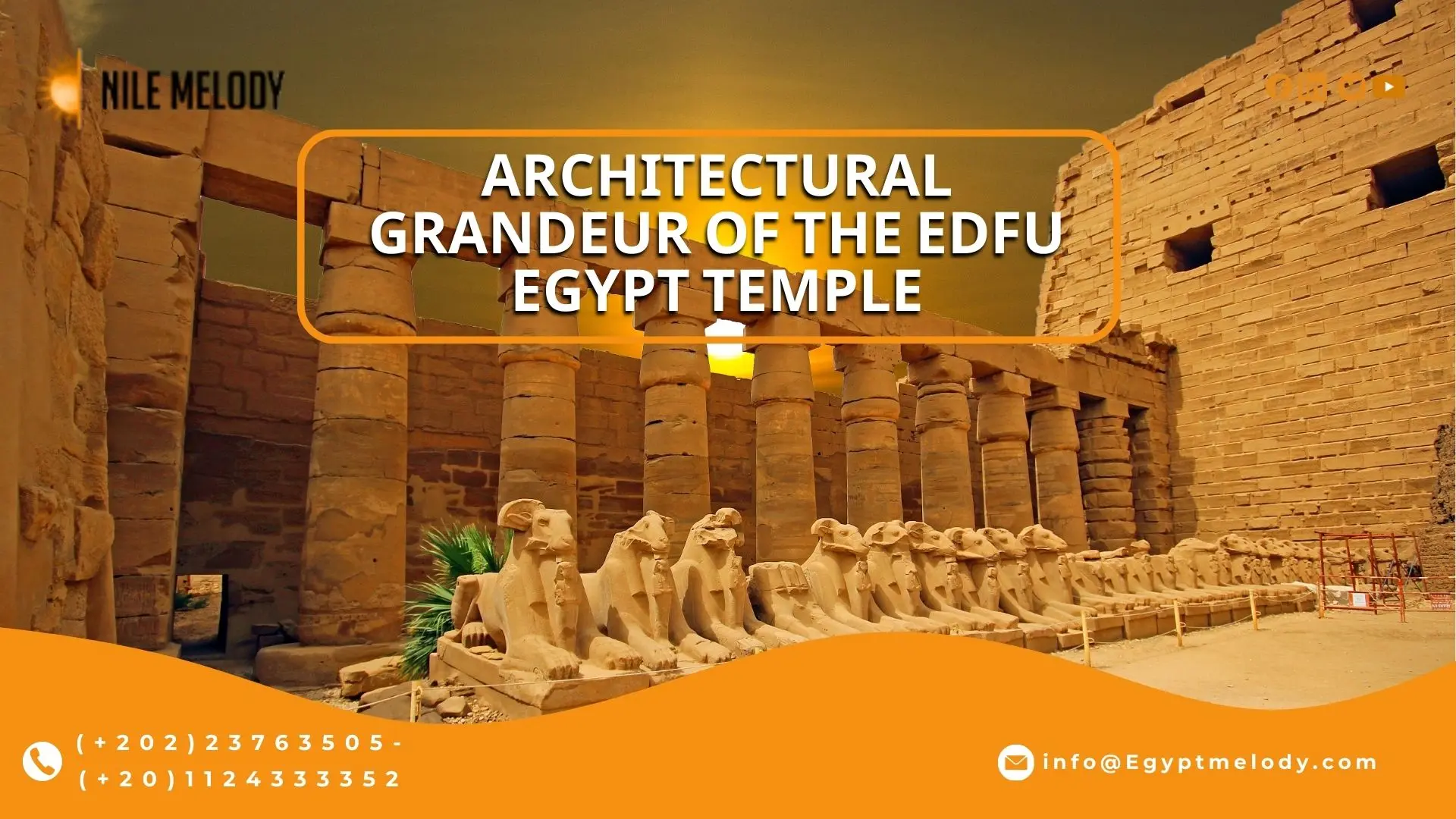
The Edfu Temple, one of Egypt’s most iconic ancient landmarks, offers an extraordinary glimpse into the architectural brilliance of the Ptolemaic period. Standing proudly on the west bank of the Nile in the small town of Edfu, the temple dedicated to Horus, the falcon-headed god, is a testament to ancient Egyptian religious practices and craftsmanship. From its towering pylons to its intricately designed sanctuaries, the edfu egypt temple stands as one of the best-preserved ancient Egyptian temples, drawing visitors from around the world. In this article, we will explore the architectural grandeur of the Edfu Temple, focusing on its construction, symbolism, and enduring legacy.
What is the Edfu Egypt Temple and Why is it So Special?
The edfu egypt temple is one of the most significant temples in Egypt, dedicated to the worship of the god Horus. Completed in 57 BCE during the reign of Ptolemy XII, this temple stands as a powerful symbol of the fusion of Greek and Egyptian architectural styles during the Ptolemaic period. It remains one of the most complete temples from ancient Egypt, largely because it has been so well-preserved. The Edfu Temple was built to honor Horus’s victory over his enemy Set, symbolizing the triumph of order over chaos in Egyptian mythology.
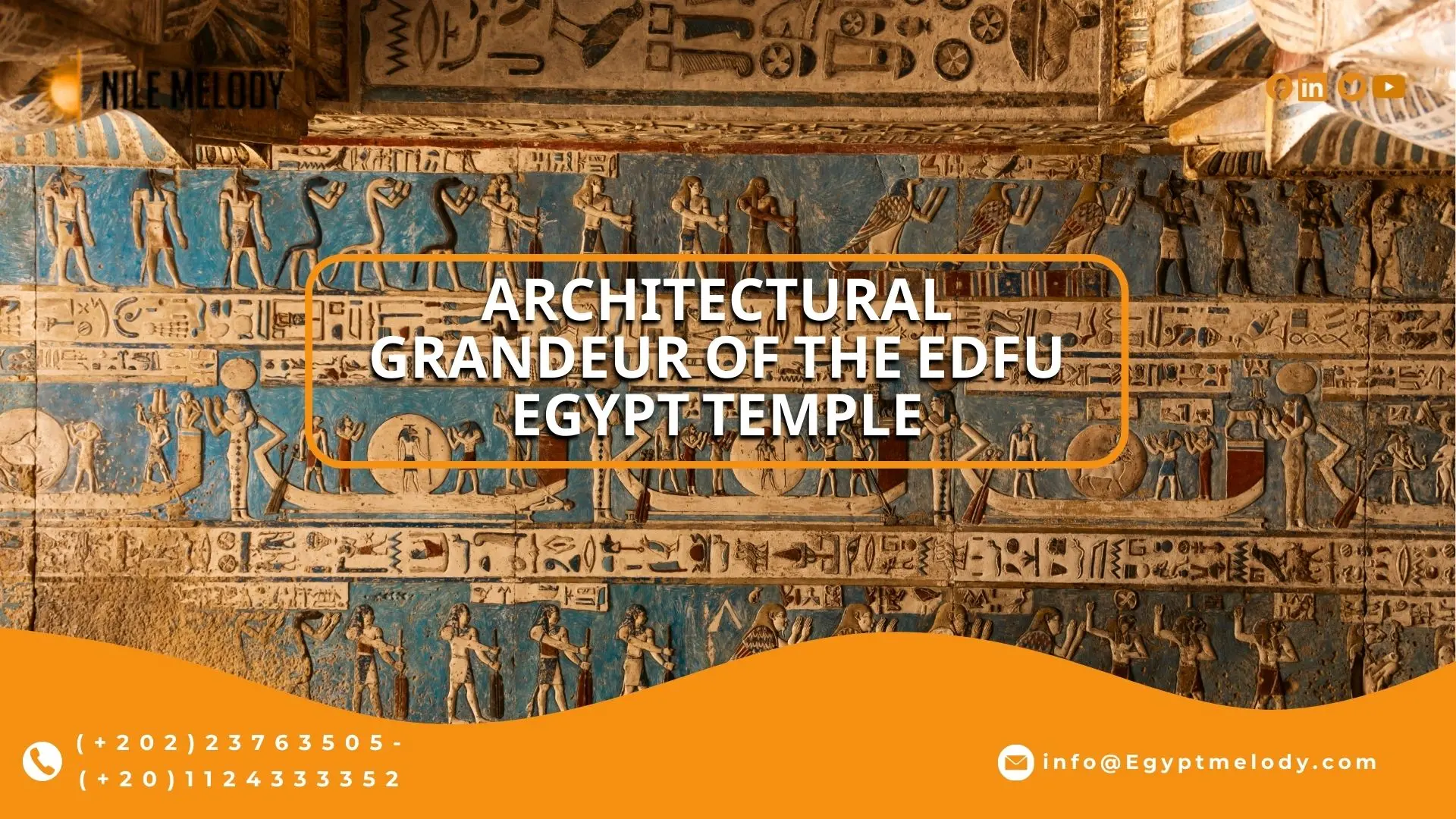
Its grandeur and architectural complexity make it an ideal example of ancient Egyptian temple design, featuring monumental pylons, expansive courtyards, and a richly adorned hypostyle hall. The reliefs and inscriptions found throughout the temple provide detailed insights into religious practices, royal decrees, and the mythological stories that were central to Egyptian culture.
In this guide, we will explore the key architectural features of the edfu egypt temple, delve into its historical significance, and provide essential travel tips for those planning to visit this magnificent site.
Massive Pylons and Grand Entrance
The entrance of the edfu egypt temple is defined by two towering pylons, which are symbolic of the barrier between the human and divine worlds. These pylons stand at 36 meters (118 feet) tall and are adorned with reliefs depicting Horus’s battle with Set. The massive size of the pylons creates a dramatic first impression, signifying the temple’s power and sanctity.
Passing through the pylons, visitors enter a large courtyard, often used for public rituals. The courtyard, flanked by towering walls and adorned with additional reliefs, leads to the hypostyle hall. This progression through the temple is a visual metaphor for moving from the earthly realm into the sacred, divine space.
Hypostyle Hall and Columns
Beyond the pylons lies the hypostyle hall, an impressive space supported by a row of 12 columns. These columns are intricately carved and are some of the most well-preserved columns in Egypt. The hall is decorated with numerous reliefs, primarily depicting Horus and the Pharaohs, emphasizing the close relationship between the king and the gods. These reliefs not only highlight the grandeur of the gods but also reinforce the Pharaoh’s role as a divine ruler.
The columns themselves are monumental in both size and artistic detail, each bearing inscriptions that tell the story of the temple’s purpose and the triumph of Horus. The ceiling of the hypostyle hall, once painted with stars, symbolized the heavens, reinforcing the connection between the gods and the cosmos.
Construction and Preservation of the edfu egypt temple
The Ptolemaic Dynasty’s Commitment to Ancient Tradition
The edfu egypt temple took over 180 years to complete, beginning during the reign of Ptolemy III in 237 BCE and finishing during the reign of Ptolemy XII in 57 BCE. This long construction period allowed for meticulous planning and the incorporation of both traditional Egyptian architectural styles and Greek influences.
The construction of the temple was primarily overseen by priests and workers dedicated to the god Horus. The site was chosen carefully, located on the banks of the Nile River, where it could easily be accessed by religious processions and where the spiritual energy was considered particularly strong.
Due to its relatively isolated location and the fact that it remained in continuous use until the rise of Christianity, the edfu egypt temple is one of the most well-preserved of Egypt’s ancient temples. Unlike other temples, which were damaged or repurposed throughout Egypt’s long history, the edfu egypt temple remained largely intact, with much of its original structure, carvings, and reliefs still visible today.
How to Visit edfu egypt temple – Tips for Travelers
Visiting the edfu egypt temple is an unforgettable experience for anyone interested in ancient Egyptian history and architecture. Here are some essential tips for those planning a visit:
Getting There
The Edfu Temple is located about 60 kilometers (37 miles) north of Aswan, making it accessible by car, bus, or boat. Most travelers visit the temple as part of a larger Nile cruise itinerary, but it is also reachable by private transport from Luxor or Aswan.
Entrance Info and Visiting Hours
The temple is open daily to visitors from 8:00 AM to 5:00 PM. Tickets are available at the entrance, and it is recommended to arrive early to avoid the crowds and to fully appreciate the grandeur of the temple in the morning light.
Ideal Visiting Time
To get the best experience, it’s ideal to visit in the early morning or late afternoon when the temperature is cooler, especially during the hotter months. The soft light at these times enhances the temple’s intricate carvings, making it the perfect time for photography.
Symbolism and Lasting Legacy of the edfu egypt temple
The edfu egypt temple is rich in symbolism. The reliefs and inscriptions throughout the temple represent the ancient Egyptian belief in cosmic order and the victory of good over evil. The story of Horus’s battle with Set is particularly significant, symbolizing the restoration of order in the world.
The temple’s enduring legacy is not only seen in its architectural beauty but also in the historical records it contains. The inscriptions inside the Edfu Temple provide a detailed account of ancient Egyptian rituals, festivals, and the relationship between the Pharaoh and the gods.
Why Edfu Continues to Inspire
The edfu egypt temple continues to inspire awe due to its magnificent preservation, intricate carvings, and its representation of Egypt’s ancient religious practices. It serves as a reminder of the Ptolemaic Dynasty’s efforts to maintain Egypt’s spiritual traditions, blending Greek and Egyptian cultures.
For modern visitors, the edfu egypt temple offers a rare opportunity to connect with ancient Egyptian history. The temple’s grandeur and historical significance continue to captivate tourists, archaeologists, and historians alike.
Nearby Attractions and What Else to See in Edfu
While the edfu egypt temple is the main attraction in the area, there are several other sites worth visiting nearby. These include the ruins of the ancient town of Edfu and the beautiful Nile River, which offers scenic views of the surrounding countryside. Visitors can also explore nearby villages, where they can experience authentic Egyptian culture.
Extend Your Journey Through Egypt’s Spiritual Heart
For those fascinated by Egypt’s ancient spiritual history, a visit to the edfu egypt temple can be part of a broader exploration of Egypt’s sacred sites. After visiting Edfu, continue your journey to other remarkable temples and monuments such as the Luxor Temple, the Karnak Temple, and the Valley of the Kings to complete your spiritual journey through Egypt’s rich cultural heritage.
Architectural Mastery: The Edfu Temple’s Design and Layout
The edfu egypt temple is a masterpiece of ancient Egyptian architecture, blending traditional elements with the influence of the Ptolemaic dynasty. The temple layout adheres to the classic Egyptian temple design, where each section served a distinct function, and the architecture guided the journey from the outer, public realm to the most sacred inner sanctums.
The Monumental Pylons and Gateway to the Divine
As visitors approach the edfu egypt temple, they are immediately struck by the two monumental pylons at the entrance. These pylons are more than just functional architectural features; they serve as the grand gateway between the earthly and divine worlds. The pylons’ size is imposing—standing 36 meters (118 feet) tall—and they symbolize the threshold of the sacred space. Their reliefs, which depict the god Horus’s victory over Set, emphasize the theme of divine triumph, a crucial element in ancient Egyptian beliefs.
These pylons are adorned with large carvings that narrate the mythological story of Horus, a powerful reminder of the divine struggles that formed the core of ancient Egyptian religion. The reliefs on the pylons are among the most vivid and detailed in Egypt, offering visitors an opportunity to understand the key moments in the life of Horus and the ancient Egyptian view of good versus evil.
The Courtyard: A Space for Public Worship
Upon entering the edfu egypt temple, visitors are greeted by a vast open courtyard. This space was used for public rituals and festivals dedicated to Horus. It is flanked by walls that enclose the sacred spaces within, ensuring that only the most devout could enter the inner sanctums of the temple.
The courtyard was once the center of the temple’s religious life, where priests and Pharaohs performed rituals to honor the gods and seek divine favor. The grandeur of the courtyard, with its massive space and towering walls, reflects the importance of this sacred area in Egyptian culture. The entrance is adorned with inscriptions and reliefs that further illustrate the power of Horus and the role of the Pharaoh as the god’s earthly representative.
The Hypostyle Hall: A Marvel of Architectural Elegance
The Edfu Temple’s hypostyle hall is an architectural gem, featuring 12 towering columns arranged in two rows. These columns, once adorned with colorful decorations and carvings, supported the roof of the hall. While most Egyptian temples have a hypostyle hall, the one at edfu egypt temple is particularly significant because of its size, decoration, and the role it played in the temple’s layout.
The hall is decorated with reliefs that recount the triumphs of Horus, his mythical battles, and the Pharaoh’s role in maintaining cosmic order. The columns themselves are large, imposing structures that support not only the roof but also the weight of the temple’s religious significance. The hall served as the location for religious ceremonies and gatherings, where offerings were made to the gods and divine favors were requested.
The Sanctuary: The Heart of the Temple
The inner sanctum of the edfu egypt temple is the most sacred area, housing the statue of Horus. This sanctuary, like the rest of the temple, is designed with an increasing sense of sanctity as one moves inward. Only high priests and Pharaohs were allowed to enter the sanctuary, where the rituals honoring Horus took place.
The sanctuary is a small but highly symbolic space, where offerings and prayers were made to the god. The walls of the sanctuary are covered with inscriptions and reliefs that describe the temple’s construction and the role of Horus as the protector of Egypt. These texts and images served not only as a means of devotion but also as a way of reinforcing the political and religious legitimacy of the Pharaohs.
Symbolism in the edfu egypt temple: A Deep Dive into Egyptian Beliefs
The edfu egypt temple is rich in symbolism, with every feature designed to reflect Egyptian beliefs and cosmology. Central to the temple’s symbolism is the myth of Horus and his eternal battle with Set. This battle is not just a story but a representation of the eternal struggle between order and chaos, light and darkness.
The scenes depicting Horus’s battle with Set, etched into the walls of the edfu egypt temple, illustrate the importance of cosmic order and the Pharaoh’s role in ensuring that order is maintained. These images also convey the idea that the Pharaoh, as Horus’s earthly representative, was the guarantor of peace and stability in Egypt.
The Role of the Pharaoh in the Edfu Temple
The edfu egypt temple is not just a place of worship; it is also a symbol of the Pharaoh’s divine connection to the gods. Throughout the temple, reliefs depict the Pharaoh making offerings to Horus, demonstrating his role as the god’s earthly representative. The Pharaohs were believed to be divinely chosen rulers, and the edfu egypt temple served as a powerful reminder of this belief.
The presence of the Pharaoh in the reliefs emphasizes the central role the monarchy played in maintaining balance and harmony in ancient Egypt. The temple is not only dedicated to Horus but also to the Pharaoh, reinforcing the idea that the Pharaoh’s legitimacy was granted by the gods.
How to Visit edfu egypt temple – Tips for Travelers
Visiting the edfu egypt temple offers travelers a unique opportunity to connect with ancient Egyptian history and architecture. Here are some essential tips to enhance your experience:
Getting to edfu egypt temple
The edfu egypt temple is located about 60 kilometers north of Aswan, and it can be easily reached by road from Aswan or Luxor. Many Nile cruise itineraries include a visit to the temple, but it is also accessible by private vehicle or local transport. If you are traveling independently, taxis and buses are available.
Visiting Hours and Tickets
The edfu egypt temple is open to visitors every day, typically from 8:00 AM to 5:00 PM. It is advisable to arrive early to avoid crowds and experience the temple in the soft morning light. Tickets are available at the entrance, and there is often a small fee for entry. It’s a good idea to have local currency on hand for ticket purchases.
Hiring a Guide
While the edfu egypt temple is well-preserved and accessible, having a knowledgeable guide can greatly enhance your experience. Guides can explain the intricate details of the temple’s history, the symbolism behind the reliefs, and the significance of the temple in ancient Egyptian culture.
Nearby Attractions and What Else to See in Edfu
While the edfu egypt temple is the main attraction in the town of Edfu, there are other places of interest nearby. The town itself offers a glimpse into rural Egyptian life, and the surrounding landscapes are filled with stunning views of the Nile River and the desert.
For travelers with extra time, the nearby Kom Ombo Temple is another impressive site, located about 45 minutes by car from Edfu. The Temple of Kom Ombo, dedicated to the gods Sobek and Horus, is another excellent example of ancient Egyptian architecture and offers a different but equally captivating experience.
The Importance of the Edfu Temple in Egyptian Religion
The edfu egypt temple holds deep religious significance in ancient Egyptian society. As a place dedicated to the worship of Horus, the edfu egypt temple symbolizes the ongoing power and reverence of Egyptian gods. It not only serves as a monument to the god Horus but also reflects the essential role of temples in maintaining Egypt’s cosmic order, known as ma’at—the balance between chaos and order. In this way, the Edfu Temple is not just an architectural marvel; it also acts as a manifestation of religious practices, rituals, and the importance of divine protection over Egypt.
Horus and the Pharaoh’s Role
Horus, the falcon-headed god, was associated with kingship and the Pharaohs’ divine right to rule. The Edfu Temple is particularly important in this context, as it emphasizes the Pharaoh’s role as the earthly representative of Horus. The temple’s reliefs illustrate the Pharaoh’s participation in religious rituals, affirming the Pharaoh’s legitimacy and divine sanction to rule. These rituals often involved symbolic actions, such as the offering of gifts to Horus, reaffirming the Pharaoh’s position as the intermediary between the gods and the people.
For the ancient Egyptians, the Pharaoh was not only a political leader but also a divine figure, ensuring Egypt’s prosperity by maintaining harmony with the gods. The edfu egypt temple plays a pivotal role in reinforcing this belief, with inscriptions that chronicle the Pharaoh’s divine connection to Horus and his involvement in ceremonies that ensured the survival and stability of Egypt.
The Symbolism of Horus at the Edfu Temple
The edfu egypt temple is deeply intertwined with the mythology of Horus, particularly the story of his battle with Set. In Egyptian mythology, Set, the god of chaos, represents disorder and destruction, while Horus, the god of order and kingship, embodies life, renewal, and divine authority. The battle between Horus and Set is one of the most well-known and central myths in Egyptian religion.
At the edfu egypt temple , reliefs vividly depict Horus’s victory over Set, symbolizing the triumph of order over chaos, good over evil, and light over darkness. This mythology was deeply ingrained in the daily life of ancient Egyptians, influencing their understanding of the natural world and their approach to maintaining balance and harmony. The edfu egypt temple serves as a physical representation of this cosmic battle, highlighting the perpetual struggle for balance that the Pharaoh, as Horus’s earthly counterpart, was entrusted to maintain.
The Ptolemaic Influence on the Edfu Temple’s Design
While the edfu egypt temple follows traditional Egyptian temple design, it is also a reflection of the Ptolemaic Dynasty’s cultural fusion. The Ptolemies, of Greek origin, ruled Egypt after Alexander the Great’s conquest and adopted many aspects of Egyptian religious and architectural practices to legitimize their rule. The design of the Edfu Temple merges Greek architectural influences with traditional Egyptian elements, resulting in a unique blend of cultures.
One notable example of Greek influence is the temple’s use of stone columns and detailed column capitals, which reflect a blend of Greek and Egyptian design principles. Additionally, the reliefs on the walls, though deeply Egyptian in style, incorporate aspects of Hellenistic art. This fusion of Greek and Egyptian cultures in the edfu egypt temple is a testament to the Ptolemaic rulers’ ability to preserve Egypt’s ancient traditions while incorporating new influences from the Greek world.
The Enduring Legacy of the Edfu Temple
The edfu egypt temple continues to inspire awe and admiration for its architectural brilliance and religious significance. As one of the best-preserved temples in Egypt, it offers a direct connection to ancient Egyptian beliefs, rituals, and the culture that flourished thousands of years ago. The temple’s survival over the centuries is a testament to the ingenuity of its builders and the importance of its spiritual and cultural role in Egyptian society.
The Temple’s Role in Modern Egyptology
Today, the edfu egypt temple plays a crucial role in modern Egyptology. Archaeologists and historians continue to study its inscriptions and reliefs, using them to gain a deeper understanding of ancient Egyptian religion, politics, and culture. The detailed records of religious rituals, as well as the depiction of Horus’s mythological battles, provide invaluable insight into the religious life of ancient Egyptians. As a source of knowledge, the Edfu Temple has been instrumental in unraveling the complexities of Egyptian mythology and society.
Moreover, the preservation of the temple allows visitors from around the world to experience ancient Egypt in its full grandeur. Whether you are a student of history, an enthusiast of ancient architecture, or simply someone looking to explore Egypt’s spiritual heritage, the edfu egypt temple offers a remarkable experience that transcends time.
What Else to See Near the Edfu Temple?
While the Edfu Temple is undoubtedly the main attraction in the town of Edfu, there are other points of interest in the area that are worth exploring.
Kom Ombo Temple
Located about 45 minutes by car from Edfu, the Kom Ombo Temple is another fascinating ancient Egyptian site. The temple is unique in that it is dedicated to two gods—Horus the Elder and Sobek, the crocodile god. This double dedication is reflected in the design of the temple, which features symmetrical layouts and twin sanctuaries. The temple’s reliefs are also beautifully preserved, and visitors can enjoy the serene atmosphere by the Nile River.
The Nile River
The Nile River itself is one of Egypt’s greatest treasures. Taking a boat ride along the river offers a peaceful way to experience the beauty of the Egyptian landscape, passing through small towns, lush green banks, and ancient ruins. The river was, and still is, the lifeblood of Egypt, and exploring it by boat gives visitors a deeper connection to the ancient world.
Why Visit the Edfu Egypt temple with Egypt Melody?
Exploring the edfu egypt temple with Egypt Melody ensures a seamless and enriching travel experience. Our expert guides will bring the history and architecture of the temple to life, explaining the significance of its design, the religious practices it once hosted, and the fascinating myth of Horus and Set. Whether you are a seasoned traveler or a first-time visitor to Egypt, Egypt Melody offers tailored tours to ensure you get the most out of your visit to the Edfu Temple and the surrounding attractions.
Ready to experience the architectural grandeur of the Edfu Temple? Let Egypt Melody guide you through one of Egypt’s most iconic landmarks. Our expert guides will ensure you get the most out of your visit, providing fascinating insights into the history, symbolism, and magnificence of this ancient site.
contact us today and step into the world of ancient Egypt—where history comes to life at the Edfu Temple.
FAQs:
What makes edfu egypt temple the best-preserved in Egypt?
The edfu egypt temple is the best-preserved because it remained intact due to its continuous use during the Ptolemaic and Roman periods, with little alteration over the centuries.
Who was Horus and why is he important in this temple?
Horus, the falcon-headed god, symbolizes the victory of good over evil. The edfu egypt temple is dedicated to Horus and depicts his mythological triumph over Set, the god of chaos.
How can I get to Edfu Temple?
The edfu egypt temple is accessible by car, bus, or boat from nearby cities like Aswan and Luxor. Many visitors reach it through Nile cruises.
Is it worth hiring a guide at Edfu Temple?
Hiring a guide is recommended to fully understand the temple’s history, symbolism, and the significance of the reliefs and inscriptions.