


Egyptian Tour Operator for Custom Egypt Tours
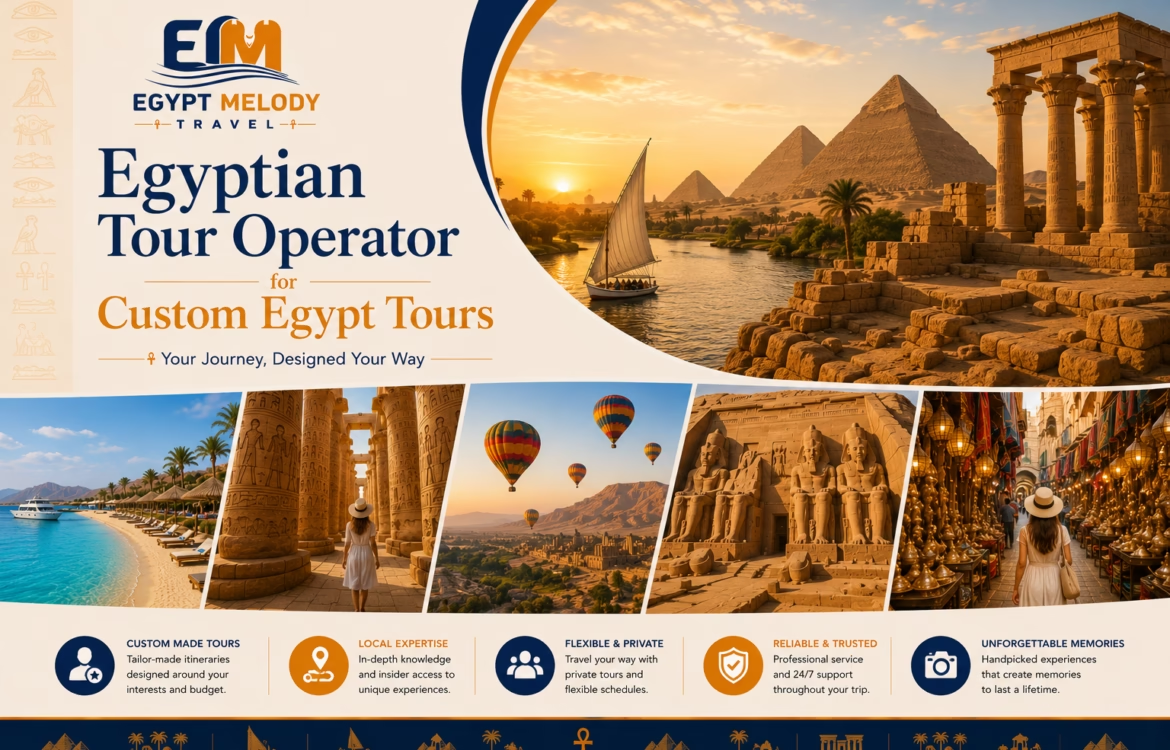
Choosing an Egyptian tour operator for custom Egypt tours is one of the best ways to enjoy a trip that truly matches your travel style. Egypt is not a one-size-fits-all destination. Some travelers want ancient history, some want a Nile cruise, some want beach relaxation, some want desert adventure, and others want a private cultural experience with more flexibility.
A custom Egypt tour gives you the chance to design your trip around your own dates, interests, budget, hotel preference, and comfort level. Instead of following a fixed group itinerary, you can choose where to go, how long to stay, what type of guide you want, and how fast or relaxed the trip should be.
A local Egyptian tour operator can make this process much easier. Egypt has many destinations and travel routes, including Cairo, Giza, Luxor, Aswan, Abu Simbel, Alexandria, Hurghada, Sharm El Sheikh, the White Desert, Fayoum, Siwa Oasis, and more. Connecting these places in the right way requires local knowledge and practical planning.
At Egypt Melody, we help international travelers create custom Egypt tours, private travel packages, Nile cruise experiences, Egypt excursions, Red Sea extensions, and desert adventures. Whether you are planning a family vacation, romantic trip, luxury tour, cultural journey, or private adventure, our local team can help design a tour that fits your needs.
This guide explains why custom Egypt tours are a great choice, what can be customized, and how a local Egyptian tour operator can help you plan the right journey.
Why Choose a Custom Egypt Tour?
A custom Egypt tour is ideal for travelers who want more control over their trip. Instead of booking a ready-made package that may not fit your needs, a custom tour allows you to build the itinerary around what matters most to you.
For first-time visitors, the classic route often includes Cairo, the Pyramids of Giza, Luxor, Aswan, and a Nile cruise. But not every traveler wants the same pace or the same hotel level. Some people want more time in Cairo, while others prefer to focus on Luxor and Aswan. Some travelers want to add Abu Simbel, while others want Red Sea relaxation after sightseeing.
A custom tour also helps avoid rushed itineraries. Egypt is full of amazing places, but trying to visit too many destinations in a short time can make the trip tiring. A local Egyptian tour operator can suggest a realistic route that balances sightseeing, transfers, rest, and optional activities.
Custom tours are especially useful for families, couples, senior travelers, photographers, honeymooners, luxury travelers, and small groups. Each traveler has different needs, and a flexible itinerary can make the experience smoother and more enjoyable.
With Egypt Melody, your Egypt tour can be designed around your schedule, not around a fixed group departure.
What Can an Egyptian Tour Operator Customize?
A professional Egyptian tour operator can customize almost every part of your Egypt trip.
The first thing to customize is the itinerary. You can choose the destinations you want to visit, such as Cairo, Giza, Luxor, Aswan, Abu Simbel, Hurghada, Sharm El Sheikh, Alexandria, the White Desert, or Siwa Oasis.
The second part is the duration. You may want a short 4-day Cairo tour, a 7-day Cairo and Nile cruise package, a 10-day classic Egypt tour, or a 14-day vacation with beach and desert extensions.
You can also customize the hotel level. Some travelers prefer comfortable 4-star hotels, while others want luxury properties, Nile-view rooms, boutique stays, or premium Red Sea resorts.
Transportation can also be customized. A private vehicle, domestic flights, airport transfers, cruise transfers, and long-distance drives can be planned based on your route.
Guiding is another important element. You can request private licensed guides, English-speaking guides, or guides for specific cities and historical sites.
Your Nile cruise can also be customized by route, duration, category, cabin type, and included visits.
Finally, you can customize the travel style. Your tour can be cultural, historical, romantic, family-friendly, luxury, adventure-focused, or budget-friendly.
Custom Cairo and Giza Tours
Cairo and Giza are usually the starting point for most custom Egypt tours. They offer a strong introduction to the country’s ancient history, culture, museums, and local life.
A custom Cairo tour can include the Pyramids of Giza, the Great Sphinx, Saqqara, Memphis, Egyptian museums, Islamic Cairo, Coptic Cairo, Khan El Khalili Bazaar, and local food experiences.
For first-time visitors, the Pyramids of Giza are usually the top priority. A private guided tour helps you understand the history of the pyramids, the Sphinx, ancient kings, and burial traditions.
If you want a deeper ancient history experience, Saqqara and Memphis are excellent additions. Saqqara is home to the Step Pyramid of Djoser, one of the oldest major stone structures in the world.
If you are interested in culture and religion, Islamic Cairo and Coptic Cairo are highly recommended. These areas include historic mosques, churches, old streets, local markets, and beautiful architecture.
A custom Cairo tour can be arranged as a half-day, full-day, or multi-day experience depending on your schedule. Egypt Melody can help you choose the right Cairo plan based on your arrival time, hotel location, and interests.
Custom Nile Cruise Packages
A Nile cruise is one of the most popular experiences in a custom Egypt tour. It connects Luxor and Aswan while giving travelers the chance to visit famous temples along the Nile.
A custom Nile cruise package can be designed based on your travel dates, preferred route, cruise category, and comfort level. You can choose between standard, deluxe, luxury, or premium cruise options. Some travelers may also prefer a smaller dahabiya-style cruise for a quieter experience.
Most Nile cruises operate between Luxor and Aswan. A 3-night cruise often works well for travelers with limited time, while a 4-night cruise gives a more relaxed pace. The right choice depends on your full itinerary and domestic flight timing.
A Nile cruise can include visits to Karnak Temple, Luxor Temple, Valley of the Kings, Hatshepsut Temple, Edfu Temple, Kom Ombo Temple, Philae Temple, and Aswan highlights.
You can also add Abu Simbel before or after the cruise. This is one of Egypt’s most impressive ancient sites and is highly recommended if your schedule allows.
Egypt Melody can help customize your Nile cruise package and connect it smoothly with Cairo, airport transfers, hotels, and optional extensions.
Custom Luxor and Aswan Itineraries
Luxor and Aswan are essential destinations for travelers interested in ancient Egypt and Nile scenery. A custom itinerary gives you the flexibility to explore these cities at the right pace.
Luxor is one of the richest historical destinations in Egypt. A classic Luxor tour includes Karnak Temple, Luxor Temple, Valley of the Kings, Hatshepsut Temple, and the Colossi of Memnon.
If you want a deeper historical experience, you can add Valley of the Queens, Medinet Habu, Deir El Medina, or extra time at Karnak Temple. Luxor also offers optional experiences such as a hot air balloon ride, felucca sailing, and local market visits.
Aswan is calmer and more scenic. A custom Aswan itinerary can include Philae Temple, the High Dam, the Unfinished Obelisk, Nubian Village, felucca sailing, and Abu Simbel.
Custom planning is important because Luxor and Aswan can be visited by land, domestic flight, or Nile cruise. The best option depends on your total travel days, preferred comfort level, and whether you want to sail between the two cities.
Egypt Melody can help design a Luxor and Aswan itinerary that fits your pace and interests.
Custom Red Sea Extensions
A Red Sea extension is a great addition to a custom Egypt tour, especially after several days of sightseeing. Hurghada and Sharm El Sheikh are among the most popular beach destinations in Egypt.
Adding the Red Sea gives your trip a better balance between culture and relaxation. After exploring Cairo, Luxor, Aswan, and ancient temples, a few days by the beach can make your vacation feel complete.
A custom Red Sea extension can include resort stays, snorkeling, diving, boat trips, island excursions, desert safari, or simple relaxation. Families may prefer a resort with easy facilities. Couples may choose a more romantic hotel. Active travelers may want diving or sea activities.
The Red Sea can be connected to your Egypt itinerary in different ways. Some travelers drive from Luxor to Hurghada after a Nile cruise. Others fly from Cairo or connect through Sharm El Sheikh depending on the route.
A local Egyptian tour operator can help you choose the right Red Sea destination based on your schedule, budget, and travel style.
Custom Desert Safari and Oasis Tours
Egypt is also a wonderful destination for desert lovers and adventure travelers. A custom Egypt tour can include desert safari experiences, oasis visits, camping, stargazing, and unique natural landscapes.
The White Desert is one of Egypt’s most famous desert destinations. It is known for its unusual white rock formations, wide-open landscapes, and beautiful camping experiences.
The Black Desert, Bahariya Oasis, Fayoum, and Siwa Oasis can also be included in adventure-focused tours. These destinations are ideal for travelers who want to see a different side of Egypt beyond temples and pyramids.
A desert safari can include 4×4 transportation, local guides, camping equipment, meals, sunset views, and stargazing. Because desert travel needs proper planning, it is important to book with a reliable local operator.
Desert experiences can be added to a Cairo-based itinerary or combined with a longer Egypt vacation. For example, travelers may start in Cairo, visit the White Desert, continue to a Nile cruise, and finish by the Red Sea.
Egypt Melody can help create custom desert and oasis experiences based on your interests and travel dates.
Custom Egypt Tours for Families
A custom Egypt tour is one of the best choices for families because it gives parents more control over the schedule. Traveling with children requires flexibility, comfortable transportation, and a pace that does not feel too rushed.
A family-friendly Egypt itinerary may include Cairo, the Pyramids, Luxor, Aswan, a Nile cruise, and a Red Sea extension. Children often enjoy seeing the Pyramids, learning about mummies, visiting temples, riding boats, exploring markets, and spending time by the sea.
However, family tours should include rest time. Long museum visits, very early starts, and packed schedules can become tiring for children. A custom tour allows the itinerary to be adjusted based on ages and energy levels.
Private transportation is especially important for families. It allows easier movement, flexible stops, and more comfort during transfers.
A private guide can also explain history in a simple and engaging way for younger travelers.
Egypt Melody can customize family Egypt tours based on children’s ages, hotel needs, travel pace, and preferred activities.
Custom Egypt Tours for Couples
Couples often choose custom Egypt tours because they want a more personal and romantic experience. Egypt is a beautiful destination for honeymooners, anniversary trips, and special vacations.
A custom couple’s tour may include a private Pyramids experience, luxury Nile cruise, sunset felucca ride in Aswan, hot air balloon ride in Luxor, romantic hotel stays, and a Red Sea extension.
Private tours are usually ideal for couples because they offer more flexibility and privacy. You can move at your own pace, avoid large groups, and enjoy the experience together.
A custom itinerary can also include upgraded hotels, Nile-view rooms, premium cruise cabins, or special experiences based on your budget.
For couples who want both culture and relaxation, a good route may include Cairo, Nile cruise, and Hurghada or Sharm El Sheikh. This gives you ancient history, peaceful Nile views, and beach time in one trip.
Egypt Melody can help design a romantic Egypt tour that feels smooth, comfortable, and memorable.
Custom Egypt Tours for Luxury Travelers
Luxury travelers often need a higher level of planning, comfort, and service. A custom Egypt tour allows every detail to be selected carefully.
A luxury Egypt itinerary may include premium hotels, private guides, luxury vehicles, VIP-style airport assistance where available, high-end Nile cruises, fine dining, and carefully paced daily tours.
Luxury travel is not only about expensive hotels. It is also about timing, comfort, privacy, and avoiding unnecessary stress. A well-planned luxury tour should feel smooth from arrival to departure.
A luxury custom tour can include Cairo, Giza, Luxor, Aswan, Abu Simbel, a luxury Nile cruise, and a Red Sea or desert extension. Depending on your interests, it can also include special cultural experiences, private museum-style visits where possible, and romantic or family-friendly touches.
A local Egyptian tour operator can help choose the best route and services based on the traveler’s expectations.
Egypt Melody can create luxury Egypt travel packages with private support and personalized planning.
Custom Egypt Tours for Budget Travelers
A custom Egypt tour can also be a smart option for budget-conscious travelers. Instead of paying for a fixed package that includes services you do not need, you can focus your budget on the experiences that matter most.
A budget-friendly custom tour may include comfortable mid-range hotels, private or shared services depending on the destination, essential guided tours, and practical transportation.
The goal is not to choose the cheapest option at every step. The goal is to create good value. For example, it may be worth spending more on a good guide and reliable transportation while choosing simple but clean accommodation.
Budget travelers can still enjoy Cairo, Giza, Luxor, Aswan, and a Nile cruise if the itinerary is planned carefully. Optional extras such as Abu Simbel, Red Sea, or desert safari can be added depending on the budget.
Egypt Melody can help create a realistic custom Egypt package that balances cost, comfort, and experience.
How to Start Planning a Custom Egypt Tour
Planning a custom Egypt tour starts with a few simple details. Before contacting a tour operator, it is helpful to know your travel dates, number of travelers, approximate budget, and preferred destinations.
You do not need to know every detail. A local Egyptian tour operator can help guide you. However, sharing your interests will make the planning process easier.
Think about your travel style. Do you prefer history, culture, beaches, adventure, luxury, photography, or family-friendly experiences? Do you want a fast-paced itinerary or a relaxed vacation? Do you prefer private tours or a mix of private and shared services?
You should also decide whether a Nile cruise is important to you. For most first-time visitors, it is one of the best experiences to include.
Once these details are clear, Egypt Melody can suggest a suitable itinerary and adjust it based on your feedback.
Why Book Custom Egypt Tours with Egypt Melody?
Egypt Melody helps travelers create custom Egypt tours with local knowledge, flexible planning, and organized service.
We can help you build a complete itinerary that includes Cairo, Giza, Luxor, Aswan, Nile cruises, Abu Simbel, Red Sea extensions, desert safari, Alexandria, and other destinations.
Our team can arrange private transportation, licensed guides, airport transfers, hotels, Nile cruise planning, excursions, and day-by-day itineraries.
Whether you are traveling as a family, couple, solo traveler, group, luxury traveler, or budget-conscious visitor, we can help design a tour that matches your needs.
The goal is to make your Egypt trip comfortable, realistic, and memorable. Instead of following a standard program, your journey can be built around your interests and travel style.
Final Thoughts
Booking with an Egyptian tour operator for custom Egypt tours gives you the flexibility to create a trip that fits your needs. Egypt has many incredible places to visit, but the best itinerary is the one that matches your time, interests, budget, and travel pace.
A custom Egypt tour can include the Pyramids, Cairo, Luxor, Aswan, a Nile cruise, Abu Simbel, Red Sea beaches, desert safari, or unique cultural experiences. With the right local planning, your trip can feel smooth, comfortable, and personal.
Egypt Melody can help you design a custom Egypt tour that reflects your travel style. Whether you want a family vacation, romantic trip, luxury journey, cultural tour, or adventure package, our local team can help create the right itinerary.
Start planning your custom Egypt tour today with Egypt Melody and discover Egypt in a way that feels made for you.